
Here, we have gathered answers to some common questions to provide you with the information you need. If you have any additional queries, please don’t hesitate to reach out to us.
We take pride in crafting our soy candles using premium soy wax derived from natural soybean oil. This choice of eco-friendly wax ensures a clean and even burn, free from toxins and harmful chemicals. Our candles are thoughtfully made with sustainability in mind.
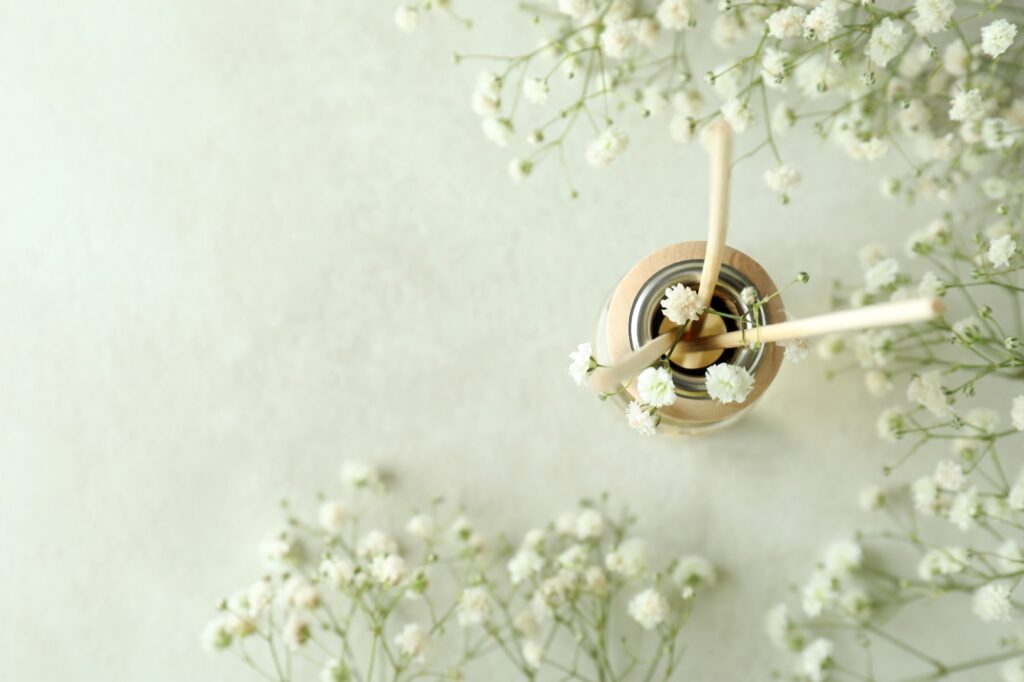
The longevity of our diffuser fragrances can vary based on several factors, including the size of the room, airflow, and personal preference. On average, our carefully curated diffuser scents can last for approximately 4-6 weeks. For optimal performance, we recommend placing the diffuser in a well-ventilated area and periodically flipping the reeds to refresh the fragrance.
Our kitchen towels are designed to be both stylish and functional. To ensure their longevity, we recommend machine washing them in cold water with similar colors. Avoid using bleach or fabric softeners, as they may affect the towel's quality and absorbency. Tumble dry on low or air dry for best results. With proper care, your kitchen towels will continue to add beauty and convenience to your culinary space.
When it comes to disposing of the end of a diffuser, it's important to follow proper guidelines to ensure environmental responsibility. Here's how to dispose of the end of a diffuser:
Remove the empty reed sticks.
Properly discard the reed sticks: Place the used reed sticks in a sealed plastic bag or wrap them in newspaper to prevent any residual fragrance from being released into the environment. You can then dispose of the sealed bag or wrapped sticks in your regular household waste bin.
Dispose of the glass or container: If the diffuser came in a glass or container, check if it can be recycled. Rinse out the container to remove any remaining fragrance oil, and then place it in your recycling bin according to your local recycling guidelines. If the container is made of materials that cannot be recycled, dispose of it in your regular household waste bin.
Handle any remaining fragrance oil: If there is a small amount of fragrance oil left at the bottom of the container, you can consider reusing it in potpourri or other home fragrance solutions. Alternatively, if the fragrance oil cannot be reused, check with your local waste management facility or recycling center for proper disposal instructions. Some areas may have specific guidelines for handling liquid fragrances.
© Copyright 2025 Kittford. All Rights Reserved. Designed by JenileePR
